Dental Implant Clinic: What to Know Before You Walk In
The Question I Hear Every Single Day
Most people walk in with the same worry: "How much is this going to cost, and how bad will it hurt?" I’ve heard it hundreds of times since 2006, and I still remember my own anxiety before my first dental procedure.
Dental implants are one of the most life-changing treatments we offer, but they’re also surrounded by confusion, fear, and a lot of conflicting information online. So I’m going to walk you through exactly what happens, what it costs, what aftercare looks like, and why the clinic you choose actually matters more than you might think.
What Is a Dental Implant, Really?
A dental implant is not a fake tooth glued onto your gum. It’s a three-part system that mimics how your natural tooth works.
The first part is a small titanium screw that gets surgically placed into your jawbone. Titanium is used because your bone actually fuses with it over time, creating a permanent anchor. This process is called osseointegration, and it’s what makes implants so durable.
The second part is the abutment, a connector piece that sits on top of the implant screw, just below the gum line.
The third part is the crown, the visible tooth that sits on the abutment. This crown looks, feels, and functions like a real tooth.
Here’s what makes this different from a bridge or denture: the implant is anchored directly to your bone, not to neighbouring teeth. That means no grinding down healthy teeth, and no gradual loosening over time.
Why People Choose Implants (And Why It Matters)
I’ve seen patients keep their implants for 20+ years without issues. That’s not an accident. It’s because the implant becomes part of your body.
When you lose a tooth and don’t replace it, your jawbone starts to shrink. This happens gradually, over months and years. It changes your face shape, makes you look older, and creates problems for any teeth nearby. A bridge or denture sits on top of the bone, which means the bone underneath continues to shrink.
An implant, on the other hand, stimulates the bone just like a real tooth root does. It stops the shrinking and keeps your jawbone healthy.
My patients tell me they forget they even have implants after a few months. They chew normally, they smile without thinking about it, and they don’t have to remove anything at night or worry about it shifting.
The Implant Journey: What Actually Happens
Let me walk you through the typical timeline so there are no surprises.
Step 1: Consultation and Imaging
We start with a conversation. I need to understand your health history, any medications you’re taking, and whether you smoke. I also need to see your mouth.
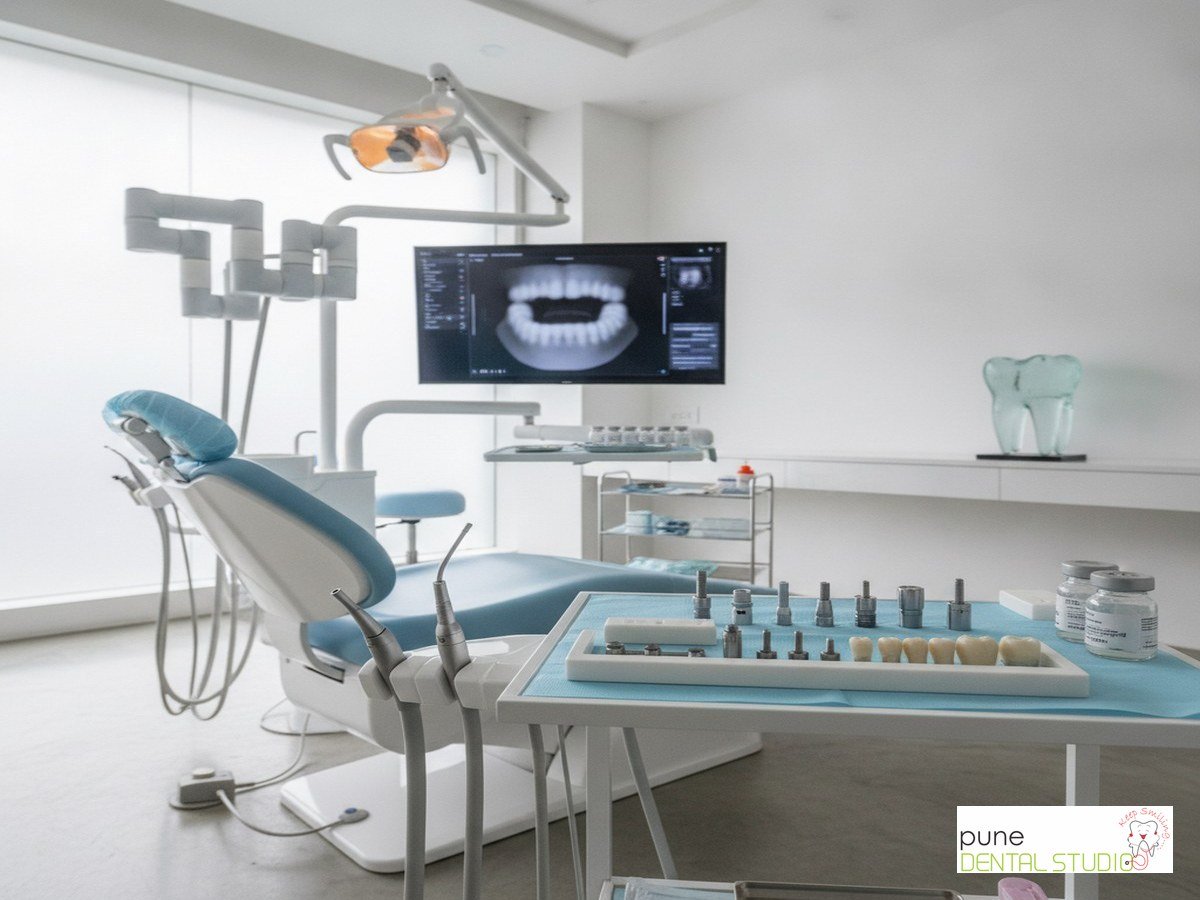
We take a 3D X-ray (CBCT scan) to see exactly how much bone you have and where the nerves and sinuses are located. This imaging is crucial because it determines whether you’re a straightforward case or whether we need to do bone grafting first.
At this stage, we talk about cost, timeline, and what to expect. All prices are shared in writing before treatment begins. No surprises at checkout.
Step 2: Bone Grafting (If Needed)
Not everyone needs this, but many people do. If your jawbone is too thin or too soft to support an implant, we add bone material to strengthen it. This can be bone from your own body, from a donor, or from a synthetic material.
If you need grafting, this happens first. Then we wait 3 to 6 months for the graft to integrate before placing the implant.
Step 3: Implant Placement Surgery
Most of my patients are surprised at how little pain they experience. We use a specialized, extra-strength topical numbing gel before any injection, making the freezing process virtually unnoticeable. Local anesthesia is all you need for most implant placements.
The surgery itself takes 30 to 60 minutes, depending on complexity. We make a small incision in the gum, create a space in the bone, and screw in the titanium implant. Then we close the gum over it.
You’ll have some swelling and mild discomfort for a few days, but most patients manage it with over-the-counter pain relief and ice packs.
Step 4: Osseointegration (The Waiting Period)
This is the part people find hardest to wait for. After surgery, the bone fuses with the implant. This takes 3 to 6 months, depending on your bone quality and overall health.
During this time, the implant is under the gum, so nobody can see it. You can eat normally (soft foods at first), and you can go about your life.
Step 5: Abutment Placement
Once osseointegration is complete, we make a small incision to expose the implant. We attach the abutment, the connector piece that will hold your crown.
This is a much simpler procedure than the initial surgery. Most patients experience minimal discomfort.
Step 6: Crown Placement
We take a digital scan of your implant and send it to the lab to create your crown. The crown is custom-made to match your natural teeth in colour, shape, and size.
When it’s ready, we cement it onto the abutment. You walk out with a fully functional tooth.
Cost: What You’ll Actually Pay
Let me be direct: implants are an investment. But they’re also one of the longest-lasting tooth replacement options available.
At Pune Dental Studio, a complete dental implant (including the implant, abutment, and crown) costs between 35,000 and 45,000 rupees per tooth. This is an all-inclusive price, so you know exactly what you’re paying.
If you need bone grafting first, add to the cost. If you need multiple implants, the cost scales accordingly.
Here’s what I tell patients: yes, it’s more expensive than a bridge or denture upfront. But implants last 20+ years with proper care, while dentures need replacing every 5 to 10 years, and bridges typically last 10 to 15 years. When you do the math over a lifetime, implants often work out to be more economical.
We accept credit cards, debit cards, Google Pay, and standard NFC mobile payments. All prices are shared in writing before treatment begins.
Aftercare: How to Make Your Implant Last
I’ve seen smoking dramatically reduce implant success rates. If you smoke, we need to have an honest conversation about that before surgery. Smoking restricts blood flow, which slows healing and increases the risk of implant failure.
Beyond that, aftercare is straightforward.
For the first week after surgery, stick to soft, cool foods. Avoid hot foods and drinks, hard foods, and anything sticky. Sleep with your head elevated to reduce swelling.
After the first week, you can gradually return to normal eating. By the time your crown is placed, you should be eating normally.
Long-term, treat your implant like a natural tooth. Brush twice a day, floss daily, and come in for regular check-ups. Implants don’t get cavities, but the gum around them can get diseased if you don’t take care of it.
Why the Clinic You Choose Actually Matters
I’ve been practicing dentistry for over 20 years, and I’ve learned that implant success depends on three things: the dentist’s skill, the quality of the technology, and how well you’re cared for if something goes wrong.
One thing I’ve noticed over the years: patients feel most confident when they can actually reach their dentist if something goes wrong. At Pune Dental Studio, you’re not a case number. You can reach us directly at +91 98811 92594 or WhatsApp us anytime.
We use digital 3D intraoral scanning instead of gooey impression trays. This means more accurate planning and less discomfort for you.
Our clinic is designed specifically for patients with dental anxiety. We use noise-cancelling headphones, aromatherapy, warm lighting, and a living green wall to create a calm environment. Over my 20+ years of practice, I’ve learned that dental anxiety isn’t a character flaw. It’s a signal that your nervous system needs a different kind of environment.
Common Questions About Implants
Are implants safe?
Yes, when placed by a trained dentist using proper technique and sterile protocols. Titanium has been used in dental implants for decades and has an excellent safety record. Your body doesn’t reject it.
Can I get an implant if I have health conditions?
Most health conditions don’t disqualify you, but some do require extra planning. Uncontrolled diabetes, for example, slows bone healing. Certain medications can affect implant success. This is why the consultation conversation is so important. We need to understand your full health picture.
What if the implant fails?
Implant failure is rare, especially with proper planning and aftercare. If it does happen, we can usually remove it and place a new one once the bone heals.
How long does the whole process take?
From start to finish, typically 4 to 8 months. This includes the waiting period for osseointegration. If you need bone grafting first, add another 3 to 6 months.
Can I get multiple implants at once?
Yes. Some patients need multiple implants, or even a full mouth of implants. We plan these carefully to spread the healing load and ensure the best outcome.
What Sets Us Apart
We’re a women-owned small business that’s officially recognized and registered. We have a 4.9 out of 5 star Google rating backed by over 127 verified patient reviews.
But numbers don’t tell the whole story. What really matters is that we’ve built a clinic where people with dental anxiety feel safe. Where you’re not rushed. Where you get answers to your questions. Where you know exactly what you’re paying before treatment starts.
Dr. Sunayana Khade has 20+ years of experience and training that includes public health education from UMDNJ in the USA. We operate under strict international sterilization and hygiene protocols.
We’re located in Baner, at Office No 102, 1st floor, The Mint, Off Baner Road, Opposite Kapil Mallhar Society, Pune 411045.
Ready to Talk About Your Smile?
If you’re thinking about implants, the first step is a conversation. No pressure, no sales pitch. Just honest information about whether implants are right for you, what the timeline looks like, and what it will cost.
You can book a consultation online, call us at +91 98811 92594, or WhatsApp us. We’re here to answer your questions and help you make the best decision for your teeth.
Your smile is worth the investment. Let’s talk about how we can help you get there.
Updated on 5 Nov 2026
Dentistry that feels like a deep breath.
See it for yourself – your first visit is a conversation, not a commitment.
Book a Visit