
The Hidden Cost of Dental Anxiety: How Delayed Care Becomes Expensive Care
The Question Nobody Wants to Ask
You know the feeling. Your tooth has been bothering you for weeks–maybe months–but the thought of sitting in that dental chair makes your chest tight. So you put it off. You rinse with salt water. You chew on the other side. You tell yourself it’ll get better on its own.
Then one morning, the pain is so sharp you can barely eat breakfast.
This is the pattern I see almost every week in my practice, and I want to be honest with you: that delay just cost you money you didn’t need to spend.
Dental anxiety is real, and it’s far more common than people realize. But here’s what I’ve learned over my 20+ years of practice: the anxiety itself isn’t actually the most expensive part. It’s what happens because of the anxiety–the months of avoidance, the small problem that becomes a big one, the emergency visit instead of a planned appointment.
Why Early Problems Stay Small (And Late Problems Get Huge)
A Cavity Is Cheap. A Root Canal Is Not.
Let me walk you through what actually happens inside your tooth when you delay.
When decay first starts, it’s tiny–just a small hole in the outer layer of your tooth. At this stage, a simple filling takes about 20 minutes and costs a fraction of what comes next.
But if you wait? The decay travels deeper. It reaches the nerve. Now your tooth is infected. Now you need a root canal treatment, which takes longer, costs significantly more, and requires multiple appointments or a single intensive session depending on the complexity.
If you wait even longer? The infection can spread to the bone. Now extraction becomes the only option. And extraction isn’t the end–you’ve now lost a tooth, and replacing it (with an implant or bridge) costs substantially more than any filling or root canal ever would.
I’ve seen patients come in thinking they’ll get a quick filling, only to discover they actually need an extraction (₹1,500–₹10,000, depending on how difficult it is) and then face ₹35,000–₹45,000 for an implant. That’s not a coincidence. That’s the math of delay.
Gum Disease Follows the Same Pattern
The same principle applies to your gums. Early gum inflammation? A professional cleaning and better home care can reverse it completely. Cost: manageable.
Advanced gum disease? Now you’re looking at deep scaling, possible bone loss, and a much longer treatment journey. And if teeth are lost to severe periodontitis, we’re back to the implant conversation.
The Anxiety Tax: What It Actually Costs
More Than Just Money
When anxiety keeps you away from the dentist, you’re not just risking your wallet. You’re paying in other ways:
Time off work. An emergency extraction or urgent root canal means an unplanned day away from your job. A planned cleaning? You can schedule it around your life.
Sleep lost to pain. Untreated dental problems don’t stay quiet. They wake you at 3 a.m. They make you irritable. They affect your focus at work and your patience with loved ones.
Stress compounding. Every time you avoid the dentist, the anxiety actually grows. You’ve reinforced the fear. The next time you think about booking an appointment, it feels even scarier. This cycle is real, and I see it trap people for years.
Damage to other teeth. Patients with untreated pain often chew on one side of their mouth, or clench and grind at night. This creates uneven wear, damages healthy teeth, and can trigger TMJ problems–a whole new category of expense and discomfort.
Why Traditional Dental Clinics Make Anxiety Worse
I want to be direct here: many dental offices are designed to amplify anxiety, not calm it.
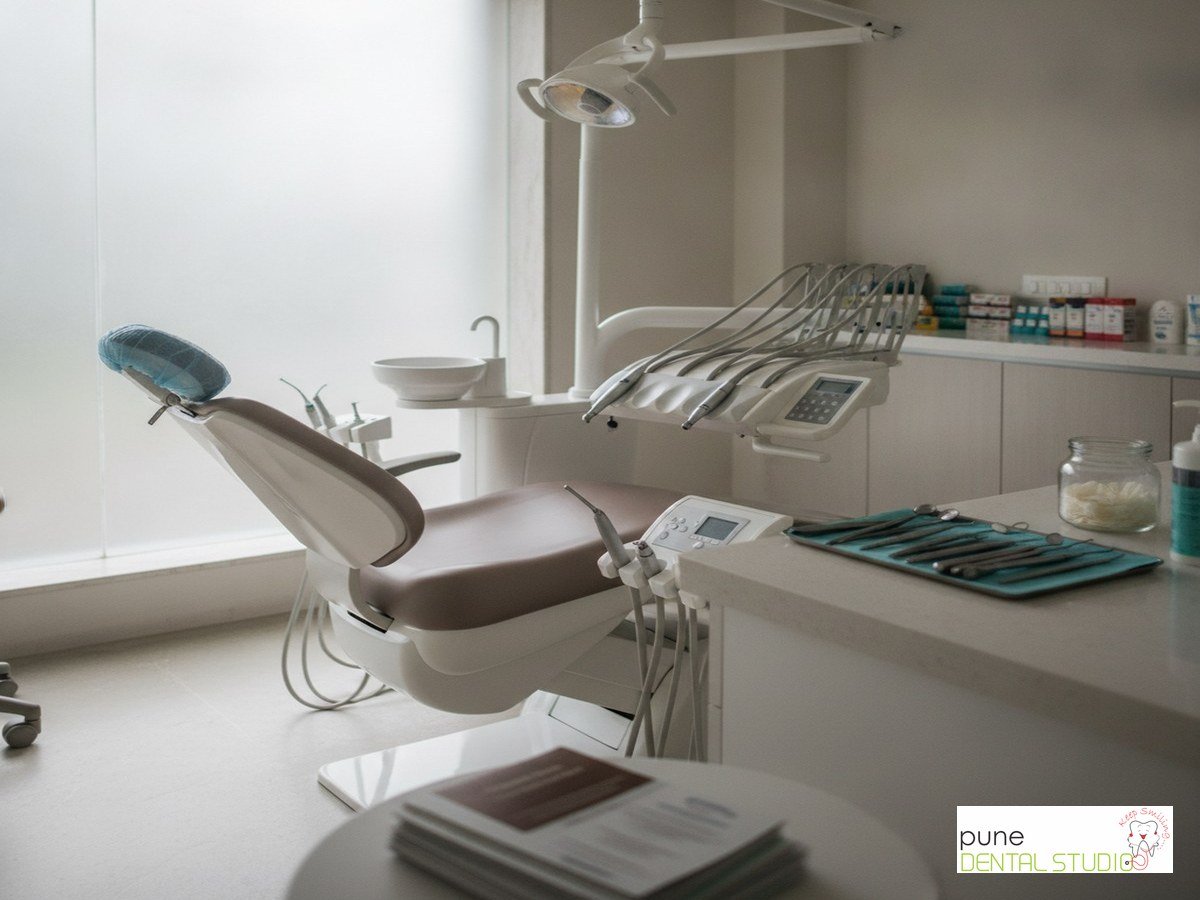
The sterile white room. The high-pitched drill sound echoing in silence. The smell. The feeling of helplessness in the chair. The sense that you’re just a number being processed through the day.
Then there’s the gag reflex triggered by old-fashioned impression trays–those goopy, choking molds that make you feel like you’re suffocating. Or the injection that comes without warning, without numbing first.
And finally: the bill. The surprise costs. The feeling that you’ve been upsold or kept in the dark about what things actually cost.
Each of these things reinforces the anxiety. Each one makes it easier to justify avoiding the dentist next time.
What Actually Changes the Equation
The Clinic Matters More Than You Think
Here’s what I’ve built into my practice specifically because I understand this:
A sensory environment designed to calm, not stress. Warm lighting instead of harsh fluorescents. Aromatherapy instead of that clinical smell. Noise-cancelling headphones so you’re not jolted by drill sounds. A living green wall because plants genuinely lower cortisol levels. These aren’t luxuries–they’re medicine for an anxious nervous system.
The "zero-pain" injection protocol. Before any needle touches you, we apply a specialized topical numbing gel. Most patients don’t even feel the injection. This alone removes one of the biggest fear triggers.
No gag reflex required. I use 3D digital intraoral scanning instead of those terrible impression trays. It’s faster, cleaner, and you can actually see your own mouth on a screen in real time. Many anxious patients tell me this visibility–knowing exactly what’s happening–makes them feel in control for the first time.
Transparency before treatment. You get an itemized treatment plan in writing. You know the cost before we start. There are no surprises at checkout. This alone removes a huge source of anxiety for people who’ve had bad experiences with hidden fees.
Permission to pause. You can stop the treatment at any time. You’re not trapped. You’re in charge. This psychological safety net changes everything.
Early Intervention Saves Real Money
When patients feel safe enough to come in for regular check-ups–instead of only when pain forces them–we catch problems at stage one, not stage four.
A cavity at the filling stage costs ₹1,500–₹3,500 per tooth.
The same tooth, left untreated for a year, now needs an ₹8,000–₹10,000 root canal.
Left untreated for two years, it needs extraction and an implant: ₹35,000–₹45,000 for the implant alone.
That’s not an exaggeration. That’s the actual progression I see.
Regular check-ups–even if anxiety makes them uncomfortable–are the cheapest insurance policy you can buy.
The Real Cost of "Just Waiting"
What Happens When You Delay
I want you to imagine this scenario, because it’s common:
You notice a small dark spot on your back molar. It doesn’t hurt, so you ignore it. Six months later, you bite down and feel a sharp twinge. You rinse with salt water and hope it passes. It doesn’t. Now there’s occasional throbbing. You take ibuprofen before bed.
Another six months. The pain is more frequent. You finally book an appointment–but you’re so anxious you cancel twice. When you finally come in, the decay has reached the nerve. Root canal is now necessary. You’re looking at ₹8,000–₹10,000 for a single-sitting root canal.
If you’d come in at month one? A filling. ₹1,500–₹3,500. Done in one appointment. No anxiety spiral. No months of discomfort. No expensive emergency.
That’s not just money. That’s peace of mind.
Breaking the Anxiety Cycle
Your First Step Doesn’t Have to Be Scary
If you’re reading this and recognizing yourself, I want you to know something: you’re not broken. Your anxiety is a normal human response to something that feels threatening. And it’s absolutely treatable.
Your first appointment doesn’t have to be a full treatment. It can just be a consultation. You can meet the team. You can see the space. You can ask questions. You can experience the difference between a clinic designed for anxious patients and a traditional dental office.
Many patients tell me that just walking in and realizing it doesn’t look or feel like a sterile interrogation room changes their entire perspective.
The Math Is Simple
One ₹300–₹1,000 consultation now, where we catch a small problem early, saves you the cost of a root canal (₹8,000–₹10,000) later.
One ₹500–₹2,600 diagnostic scan now, where we see exactly what’s happening, prevents months of guessing and avoidance.
One regular check-up every six months, where nothing major is found, costs less than one emergency extraction.
That’s not just financial wisdom. That’s self-care.
FAQ
Q: How often should I actually come in for check-ups if I have dental anxiety?
A: Every six months is the standard recommendation. But if anxiety is severe, starting with annual visits and building up to twice yearly is perfectly reasonable. The key is showing up consistently, not the frequency. One regular patient who comes twice a year will have better outcomes than someone who avoids for two years and then comes in for an emergency.
Q: What if I’m so anxious I can’t even book the appointment?
A: Call or message us. You don’t have to commit to a full treatment on your first contact. We can talk through what a visit would look like, answer your specific fears, and take it at your pace. Many anxious patients find that just talking to someone who gets it makes the first step feel possible.
Q: Can you really do a root canal in one sitting, or is that risky?
A: Single-sitting root canals are safe and effective when done properly. Clinical data shows 92% long-term success rates for single-visit treatments, compared to 90% for multiple visits. The main difference is in short-term comfort–some patients experience slightly less post-operative discomfort with a single intensive visit because the tooth is only traumatized once. For complex infections or cases with active swelling, we may recommend multiple visits to allow the tooth to drain and heal between appointments. We’ll discuss the best approach for your specific situation.
Q: What’s the difference between a ₹4,500 crown and a ₹20,000 crown?
A: Material, durability, and appearance. A basic metal crown is highly durable but visible if you smile wide. A zirconia or all-ceramic crown looks completely natural, lasts longer (10–15+ years with proper care), and carries an extended warranty. For front teeth, the premium materials are usually worth it. For back molars, a more basic option might make sense. We’ll show you the options and let you decide based on your needs and budget.
Q: Do I really need to come back for follow-up appointments, or is one visit enough?
A: Follow-up appointments aren’t about squeezing more money out of you–they’re about making sure your treatment actually worked and catching new problems early. A ₹500 check-up six months after a filling can spot decay before it becomes a ₹8,000 root canal. That’s the math that matters.
Let’s Change Your Relationship With Dental Care
Dental anxiety doesn’t have to control your life or your wallet. The hidden cost of avoidance is real, but it’s also completely avoidable.
If you’re in Baner or nearby Aundh and Balewadi, and you’ve been putting off a dental visit because of fear, I’d like to invite you to experience something different. Not a clinic that ignores your anxiety, but one that’s specifically designed to dissolve it.
Your first step is just a conversation. No commitment. No pressure. Just an honest chat about what’s been holding you back and how we can make this easier.
You can reach us at +91 98811 92594 or visit punedentalstudio.com to book a consultation.
I’m here, and I understand. Let’s fix this together.
–Dr. Sunayana Khade
Pune Dental Studio, Baner
Updated on 8 Oct 2026
Dentistry that feels like a deep breath.
See it for yourself – your first visit is a conversation, not a commitment.
Book a Visit