
Why Does My Gum Bleed When I Brush? Signs You Need Deep Scaling
That Moment When You Spit Pink
You’re brushing your teeth like you always do, and suddenly you notice the water in the sink is tinged with red. Your first thought? "That’s not normal." And you’re right to notice–but here’s what I want you to know: bleeding gums are incredibly common, and they’re almost always your mouth’s way of sending you a signal that something needs attention.
I’ve been practicing dentistry for over 20 years, and this is one of the first things patients mention when they come in. The good news is that it’s almost always reversible if you catch it early. The not-so-good news is that ignoring it tends to make things worse. Let me walk you through what’s actually happening, when you need to worry, and what deep scaling can do for you.
What’s Actually Happening When Your Gums Bleed
Your gums are bleeding because they’re inflamed. Think of it like this: if you scratched your arm and it got infected, it would swell up and bleed easily, right? Your gums work the same way.
When plaque–that sticky film of bacteria–builds up along your gum line, your immune system kicks in and tries to fight back. The area becomes swollen, tender, and more likely to bleed when you brush or even eat something hard. This early stage is called gingivitis, and it’s completely reversible.
The problem is that if plaque keeps building up and hardens into tartar (also called calculus), it creates a perfect hiding spot for bacteria. They burrow deeper, and the inflammation spreads below the gum line where your toothbrush can’t reach. That’s when we’re looking at something more serious called periodontitis, or gum disease.
The Difference Between a Gentle Clean and Deep Scaling
I think there’s a lot of confusion around this, so let me be clear.
A regular cleaning–what we call oral prophylaxis–removes plaque and tartar from above the gum line and the easily accessible surfaces of your teeth. It’s preventive and feels pretty routine. Most people should have one every six months.
Deep scaling is different. It’s a targeted treatment for gum disease. We go below the gum line–into the pockets that form when gums pull away from teeth–and carefully remove the tartar and bacteria that have settled there. We also smooth the root surface so bacteria have a harder time reattaching. This is sometimes called root planing, and it’s a clinical procedure that usually takes more time and precision than a standard clean.
The key difference? Deep scaling treats active disease. A regular clean prevents it.
Signs That You Probably Need Deep Scaling
Here’s what I typically see in patients who come in needing this treatment:
Bleeding that doesn’t stop after a few days of better brushing. If you’ve been slack with your oral hygiene and you tighten up your routine, mild bleeding usually stops within a week. If it’s still there after that, there’s likely tartar buildup below the line.
Gums that look red, swollen, or feel tender. Healthy gums are pale pink and fit snugly around your teeth. If yours look darker or feel puffy, that’s inflammation talking.
Bad breath that brushing doesn’t fix. This is bacteria doing their thing in those deep pockets. It’s a classic sign.
Gums that feel loose or teeth that seem to be shifting slightly. This means the bone supporting your teeth is starting to break down. This is serious and needs attention.
Pus or discharge from the gum line. This is an active infection and needs professional treatment right away.
A family history of gum disease. Some people are more genetically prone to it, so if your parents had it, you’re at higher risk even if your habits are good.
If any of these sound familiar, it’s time to come in for an evaluation. We can take digital X-rays to see exactly what’s happening below the surface and talk through your options.
What to Expect During Deep Scaling
I want to be honest about this because anxiety about the unknown makes everything worse.
First, we’ll do a thorough exam and take imaging so we can see the depth of the pockets and where the tartar is hiding. Then we’ll numb the area–and yes, we use a topical numbing gel first so the injection itself is barely noticeable. I’ve seen too many people tense up because they’re expecting pain from the needle, and we can skip that entirely.
Once you’re comfortable, we use specialized instruments to gently but thoroughly remove the tartar. You’ll hear some vibration and feel pressure, but it shouldn’t hurt. If it does, let me know immediately–we can adjust the anesthesia. The whole process usually takes 45 minutes to an hour, depending on how much buildup there is.
After we’re done, your gums will feel tender for a day or two, kind of like after a workout. That’s normal. We’ll give you specific aftercare instructions–usually involving a gentle rinse with salt water and being careful with the area while it heals.
Why Deep Scaling Works (And Why It Matters)
The reason this treatment is so effective is that it removes the source of the problem. Once we’ve cleaned out those pockets and smoothed the root surface, your gums have a chance to reattach to your teeth. The inflammation usually drops dramatically within a week or two.
I’ve had patients tell me they can’t believe how much better their mouth feels after deep scaling. The bleeding stops, the swelling goes down, and they’re amazed they waited so long to do it.
But here’s the critical part: deep scaling isn’t a one-time fix. Gum disease comes back if you don’t maintain it. That means consistent brushing, flossing, and regular professional cleanings. For some patients, we recommend cleanings every three months instead of six, just to stay ahead of it.
What Happens If You Ignore It
I’m going to be direct here because I see the consequences regularly.
If gum disease progresses untreated, the bone supporting your teeth breaks down. Your teeth become loose. Eventually, they fall out. And once you’ve lost bone, it’s very difficult to rebuild. You might need implants, which are more complex and costly than preventing the problem in the first place.
Beyond your mouth, there’s emerging research suggesting that untreated gum disease is linked to systemic issues like heart disease and diabetes. Your mouth isn’t separate from the rest of your body–it’s connected.
So when you notice bleeding gums, it’s not something to brush off (pun intended). It’s your body asking for help.
Your Aftercare Matters as Much as the Treatment
After deep scaling, the work is on you. Here’s what actually makes a difference:
Brush gently twice a day. Use a soft-bristled brush and don’t scrub like you’re trying to remove paint. Gentle, circular motions work better.
Floss daily. I know everyone says this, but it’s true. Floss reaches the spaces between teeth where your brush can’t go, and that’s where gum disease loves to hide.
Rinse with salt water for the first week after treatment. Warm salt water reduces inflammation and keeps the area clean.
Avoid smoking and excessive alcohol. Both compromise your immune system’s ability to heal.
Eat soft foods for a few days. Give your gums time to settle before you go back to crunchy or hard foods.
Come back for your follow-up appointment. We’ll check how you’re healing and make sure the pockets are shrinking.
The Real Conversation: Prevention Is Easier Than Treatment
I’d be remiss if I didn’t say this: the easiest way to avoid deep scaling is to prevent gum disease in the first place.
That means consistent home care–brushing, flossing, rinsing–and regular professional cleanings. It means not ignoring early signs like mild bleeding. It means understanding that your gums are a window into your overall health.
At Pune Dental Studio, we take a preventive approach. During your consultation, we talk through your specific risk factors. Some people are naturally more prone to gum disease, and we can adjust your care plan accordingly. We also use digital imaging so you can actually see what’s happening in your mouth–not just hear about it. When you can see the tartar buildup or the pocket depth, it becomes real in a way that words alone can’t convey.
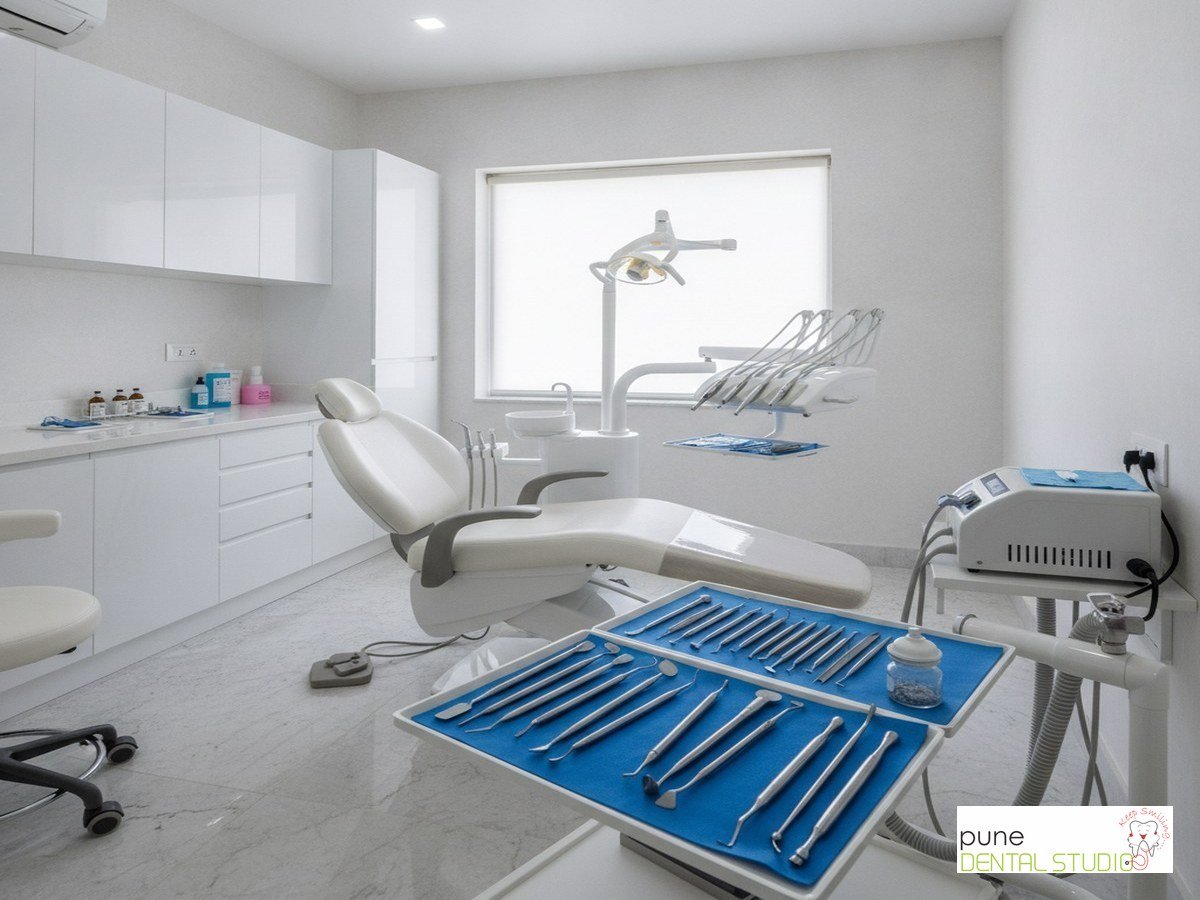
And because we know dental visits can feel overwhelming, we’ve designed our clinic to be calm and unhurried. No rushed appointments, no judgment, just honest conversation about what your mouth needs.
FAQ
Q: Will deep scaling make my teeth sensitive?
A: Temporary sensitivity is normal for a few days after treatment because the root surface is exposed. It usually settles within a week. We can recommend a sensitivity toothpaste if it bothers you.
Q: How often do I need deep scaling?
A: If you have gum disease, you might need it once a year or more frequently, depending on how well you maintain your home care and how aggressive your gum disease is. We’ll discuss this during your exam.
Q: Can I prevent gum disease if I have a family history of it?
A: Genetics matter, but they’re not destiny. Even if your parents had gum disease, good oral hygiene and regular professional cleanings can significantly reduce your risk. We can also monitor you more closely if needed.
Q: Is deep scaling painful?
A: It shouldn’t be. We numb the area thoroughly before we start, and we use a topical numbing gel before the injection so you barely feel the needle. If you do feel pain during the procedure, tell us immediately.
Q: How long does recovery take?
A: Most people feel back to normal within a few days. Your gums might be tender for a week, but you can eat soft foods and go about your day. We’ll give you specific aftercare instructions.
Let’s Get Your Gums Healthy Again
Bleeding gums are a sign, not a sentence. They’re your mouth telling you it needs help, and the good news is that help is straightforward and effective.
If you’ve noticed blood when you brush or floss, or if it’s been a while since you’ve had a professional cleaning, reach out. We’ll do a thorough exam, take digital images so you can see exactly what’s going on, and talk through your options in plain language–no dental jargon, no pressure, just honest advice.
You can call us at +91 98811 92594 or WhatsApp the same number. We’re here in Baner, and we’re ready to help you get back to a healthy mouth.
Your gums will thank you.
Dentistry that feels like a deep breath.
See it for yourself – your first visit is a conversation, not a commitment.
Book a Visit