Wisdom Teeth Removal: What to Expect, Pain, Cost & Aftercare
When Your Dentist Mentions Wisdom Teeth
Most people walk in with the same worry I hear hundreds of times: "How much is this going to cost, and how bad will it hurt?" That anxiety is completely valid. I’ve been practicing dentistry for over 20 years, and I still remember my own nervousness before my first dental procedure. Wisdom teeth removal sits right at the intersection of fear and necessity, and I want to give you the honest, clear answer you deserve.
Here’s what I’ve learned: the anticipation is almost always worse than the reality. But that doesn’t mean you should go in blind. Let me walk you through exactly what happens, what you’ll feel, what it costs, and how to take care of yourself afterwards.
Why Wisdom Teeth Need to Come Out
Wisdom teeth are your third molars, and they usually show up between your late teens and early twenties. Sometimes they come in perfectly fine and cause no trouble. But most of the time, they don’t have enough space.
When there’s not enough room, a few things happen. The tooth might come in at an angle, pushing against your neighboring tooth. It might get stuck under the gum or bone. Food and bacteria can get trapped around it, leading to infection or decay. Or the pressure from the erupting tooth can cause pain that radiates through your whole jaw.
I see patients come in all the time with swollen cheeks, jaw pain, or difficulty opening their mouth. Sometimes they don’t even realize their wisdom teeth are the problem until we take an X-ray.
The other thing I notice: people often wait too long. I’ve seen patients come in thinking they’re saving money by delaying extraction, only to end up needing more complex surgery, antibiotics for infection, or even hospitalization. That’s why early evaluation matters.
Types of Wisdom Tooth Extraction: What’s the Difference?
Not all wisdom tooth removals are the same. The complexity depends on how the tooth is positioned, and that changes both the procedure and the cost.
Simple Extraction
This is the straightforward case. The tooth is fully erupted, meaning it’s completely visible above the gum line. There’s no bone covering it, and the roots are straight and accessible. We use basic forceps and local anesthesia. No cuts, no stitches, and usually no bone removal.
Cost range: ₹1,500 to ₹5,000 (about US$16 to US$50).
Recovery is fast. Most patients feel back to normal within a few days.
Surgical Extraction
This is what happens when the tooth is partially stuck. It might be impacted under the gum or partially trapped in bone. We need to make a small cut in the gum to access the tooth, and we’ll place dissolvable stitches afterwards.
The procedure takes longer than a simple extraction, and there’s a bit more swelling and discomfort in the first few days. But it’s still a routine procedure that we do regularly.
Cost range: ₹4,000 to ₹10,000 (about US$40 to US$100).
Complex or Full Bony Impaction
This is Grade 3 or 4 surgery. The tooth is deeply angled, or it’s completely locked in bone. We might need to remove bone around the tooth, or we might need to section the tooth into smaller pieces to remove it safely.
This takes the most time and requires the most precision. Recovery is longer, and swelling and discomfort are more pronounced. But it’s still manageable with proper aftercare.
Cost range: ₹8,000 to ₹20,000 (about US$80 to US$210).
The Pain Question: What You’ll Actually Feel
Let me be direct: you won’t feel pain during the extraction. You’ll feel pressure, vibration, and sometimes a grinding sensation, but not pain. That’s what the local anesthesia is for.
Here’s how we make sure of that. Before any needle touches your mouth, we apply a specialized, extra-strength topical numbing gel. This is what I call the "numbing before the numbing" protocol. By the time the injection happens, the area is already numb. Most patients tell me they barely felt the needle.
Once the local anesthesia kicks in, you’ll feel the dentist working, but it’s pressure and vibration, not pain. If you do feel any sharp sensation, tell us immediately. We can add more anesthesia.
Most of my patients are surprised at how little pain they experience during the procedure itself.
What Happens in the First 48 Hours
The first two days after extraction are the most important for your recovery. Here’s what to expect and what to do.
Bleeding
Some bleeding is normal. You’ll bite down on a gauze pad for 30 to 45 minutes after the extraction. If bleeding continues, bite down on a fresh gauze pad for another 30 minutes.
If you’re still bleeding heavily after a couple of hours, that’s worth mentioning to us. But minor oozing for the first day is completely normal.
Swelling
Swelling peaks around day 2 or 3, then gradually improves. It’s not usually severe, but it’s noticeable. Your cheek might feel puffy, and your jaw might feel stiff.
To minimize swelling, use an ice pack for 20 minutes on, 20 minutes off during the first 24 hours. After that, switch to warm compresses if swelling persists.
Pain and Discomfort
You’ll have some soreness in the extraction area. Over-the-counter pain relief usually handles this well. Ibuprofen and paracetamol work better than either one alone. Follow the dosage on the packet.
We provide guidance on managing this, usually warm salt water rinses and over-the-counter pain relief help. Start rinsing gently with warm salt water after 24 hours.
What Not to Do
Don’t use a straw for at least a week. The suction can dislodge the blood clot, leading to a painful condition called dry socket.
Don’t smoke. I’ve seen smoking dramatically reduce healing and increase infection risk.
Don’t rinse vigorously or spit forcefully for the first 24 hours.
Don’t eat hard, crunchy, hot, or spicy foods. Stick to soft foods like yogurt, soup, mashed potatoes, and smoothies.
Don’t exercise or do strenuous activity for at least 3 to 5 days. Rest helps your body heal.
Recovery Timeline
Here’s what the weeks ahead look like.
Days 1-3: Maximum swelling and discomfort. Pain is manageable with over-the-counter medication. Bleeding is minimal by day 2.
Days 4-7: Swelling starts to decrease. Discomfort is less intense. You can usually return to light activities and soft foods.
Week 2: Most swelling is gone. You can return to normal eating and exercise, though you might still feel some tenderness.
Weeks 3-4: The extraction site is healing well. Any remaining discomfort is minimal.
After 4 weeks: The socket is mostly healed. The bone underneath continues to remodel for several more months, but from your perspective, you’re back to normal.
One thing I’ve noticed over the years: patients feel most confident when they know exactly what to expect. If something feels off or if healing seems slower than it should, reach out to us. That’s what we’re here for.
Cost Breakdown: What You’re Actually Paying For
I’ve talked to hundreds of people who delayed dental care because they were terrified of getting hit with a massive bill they didn’t expect. That’s why I’m going to be completely transparent about pricing.
At Pune Dental Studio, here’s what wisdom tooth removal costs:
Simple Extraction (fully erupted): ₹1,500 to ₹5,000 (about US$16 to US$50). This includes the consultation, X-rays, anesthesia, and the extraction itself.
Surgical Extraction (partially impacted): ₹4,000 to ₹10,000 (about US$40 to US$100). This includes everything above, plus the gum incision and dissolvable stitches.
Complex/Full Bony Impaction: ₹8,000 to ₹20,000 (about US$80 to US$210). This includes bone removal or tooth sectioning, which requires more time and precision.
Before we start, we’ll do a digital scan and take a CBCT (3D X-ray) if needed. That’s ₹2,000 to ₹4,000 (about US$20 to US$40), depending on what we need to see.
All prices are shared in writing before treatment begins. No surprises at checkout.
We also offer EMI and flexible payment options for treatments, so cost doesn’t have to be a barrier.
Aftercare: The First Week and Beyond
Days 1-3
Rest is your job right now. Your body is doing the healing work.
Take pain medication as directed. Don’t skip doses waiting for pain to build up; it’s easier to manage if you stay ahead of it.
Use ice packs for the first 24 hours, then switch to warm compresses.
Eat soft, cool foods. Ice cream, yogurt, applesauce, and smoothies are your friends.
Drink plenty of water, but avoid hot beverages for the first few days.
Days 4-7
Start gentle salt water rinses after meals and before bed. Use warm water and about half a teaspoon of salt. Don’t rinse vigorously; just let the salt water sit in your mouth for a few seconds, then let it fall out gently.
You can start eating slightly more substantial soft foods. Scrambled eggs, oatmeal, and soft pasta are fine.
Continue taking pain medication if needed, but most people need it less by day 4 or 5.
If you had stitches, they’ll dissolve on their own. You don’t need to do anything.
Week 2 and Beyond
You can usually return to normal eating and exercise by week 2, though listen to your body. If something hurts, ease back.
Keep up with salt water rinses for at least a week, maybe two if the site still feels tender.
If you had a complex extraction, avoid crunchy or hard foods for a bit longer. Give the socket time to fill in.
If you notice signs of infection (fever, increasing pain after day 3, pus, or a foul taste), contact us immediately.
When to Call Us
Most extractions heal smoothly. But here are the signs that something needs attention:
Fever over 101°F (38.3°C) that doesn’t come down with medication.
Increasing pain after day 3, instead of improving.
Pus or a foul-smelling discharge from the socket.
Swelling that gets worse after day 3.
Difficulty swallowing or breathing.
Numbness or tingling in your lip or tongue that doesn’t improve after a few days.
One thing I’ve noticed over the years: patients feel most confident when they can actually reach their dentist if something goes wrong. That’s why we’re available. If you have questions or concerns, reach out.
Wisdom Teeth and Your Overall Oral Health
Here’s something I’ve learned from working with hundreds of patients: wisdom tooth removal isn’t just about removing a problem tooth. It’s about protecting the teeth around it.
When a wisdom tooth is impacted or coming in at an angle, it puts pressure on your second molar. Over time, that can damage the second molar or make it harder to clean, leading to decay or gum disease.
I’ve seen patients wait years with an impacted wisdom tooth, affecting their nutrition, their smile, their confidence. By the time they decide to extract it, the damage to neighboring teeth is already done.
That’s why early evaluation matters. If we catch an impacted wisdom tooth before it causes damage, extraction is straightforward and recovery is fast.
FAQ
Q: Can I drive myself home after extraction?
A: No. Even though you’re awake during the procedure, the local anesthesia and any sedation we use can affect your reflexes and judgment. Arrange for someone to pick you up. Plan to rest for the rest of the day.
Q: How long until I can return to work?
A: For a simple extraction, many people return to desk work the next day if they feel up to it. For a surgical or complex extraction, take at least 2 to 3 days off. Your body needs rest to heal properly.
Q: Will my face look different after extraction?
A: Temporarily, yes. Swelling can make your face look puffy for a few days. Once the swelling goes down, your face returns to normal. In the long term, removing an impacted wisdom tooth that was causing jaw problems might actually improve your bite and jaw alignment.
Q: Can I have all four wisdom teeth removed at once?
A: Yes, but I usually recommend doing it in two appointments, one side at a time. This way, you can still eat normally on the other side while one side heals. But if you prefer to get it all done at once, we can discuss that.
Q: What if I’m terrified of dental work?
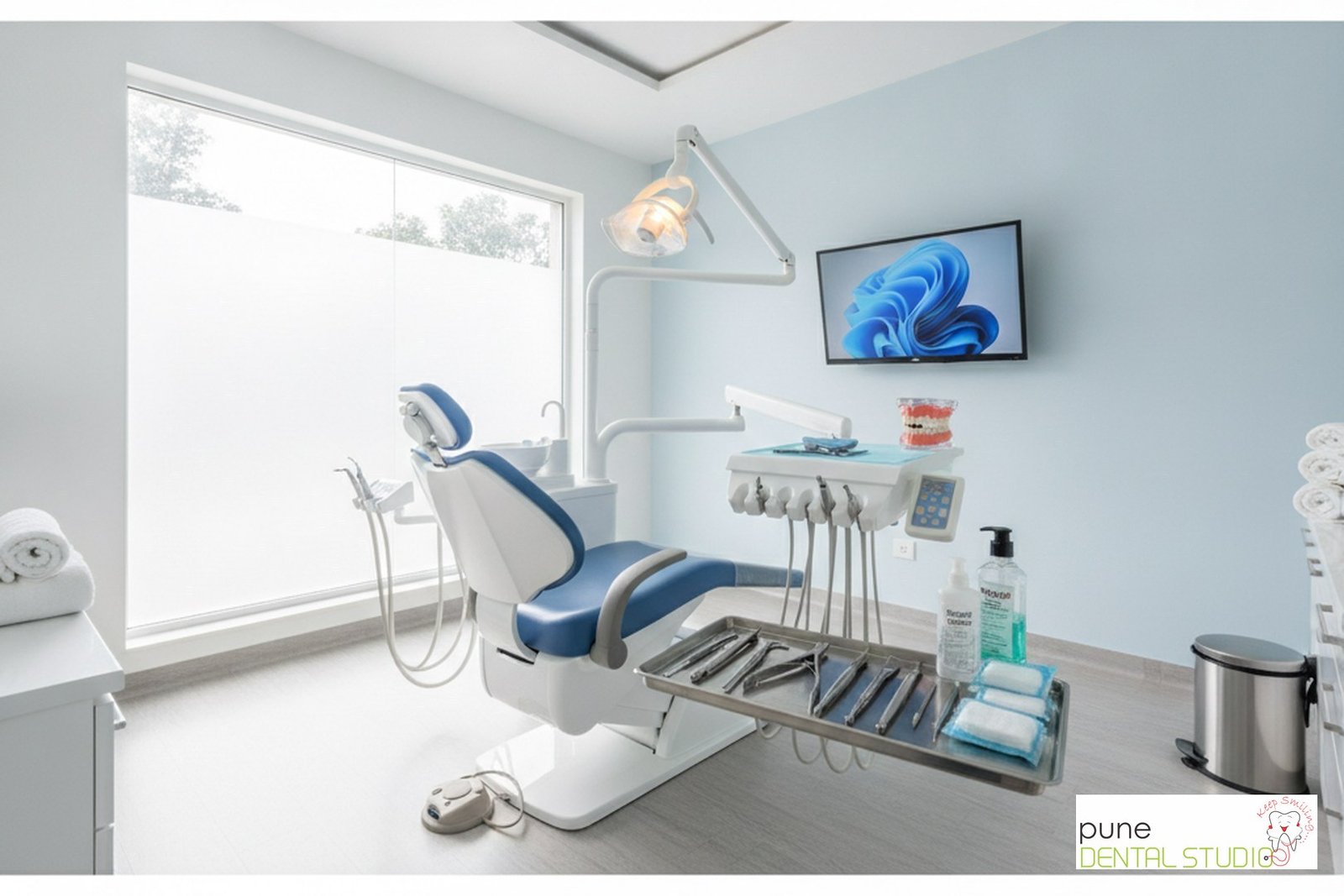
A: Over my 20+ years of practice, I’ve learned that dental anxiety isn’t a character flaw. It’s a signal that your nervous system needs a different kind of environment. Our clinic is designed around this. We use noise-cancelling headphones, aromatherapy, and a calm, sensory-friendly space. We also use our "numbing before the numbing" protocol so you barely feel the injection. And you can pause the procedure at any time if you need a break. Many of my most anxious patients are shocked at how manageable it is.
Q: Will I need a crown or other work after extraction?
A: Not usually. Once the tooth is out and the socket heals, you’re done. The space where the wisdom tooth was will fill in with bone over several months. If you’re missing other teeth or have other dental issues, we can discuss those separately.
Let’s Get You Comfortable
Wisdom teeth removal doesn’t have to be a nightmare. It’s a routine procedure that we do regularly, and most of my patients walk out relieved.
If you’re thinking about extraction or if your dentist has recommended it, I’d like to talk with you. We’ll take a digital scan, answer all your questions, and give you a clear picture of what to expect and what it costs.
You can reach us at +91 98811 92594 or email smile@punedentalstudio.com. We’re located in Baner, and we’re open Monday to Saturday, 9:30 AM to 1 PM and 5 PM to 9 PM. Sundays by appointment.
Let’s get you smiling again.
Dentistry that feels like a deep breath.
See it for yourself – your first visit is a conversation, not a commitment.
Book a Visit